
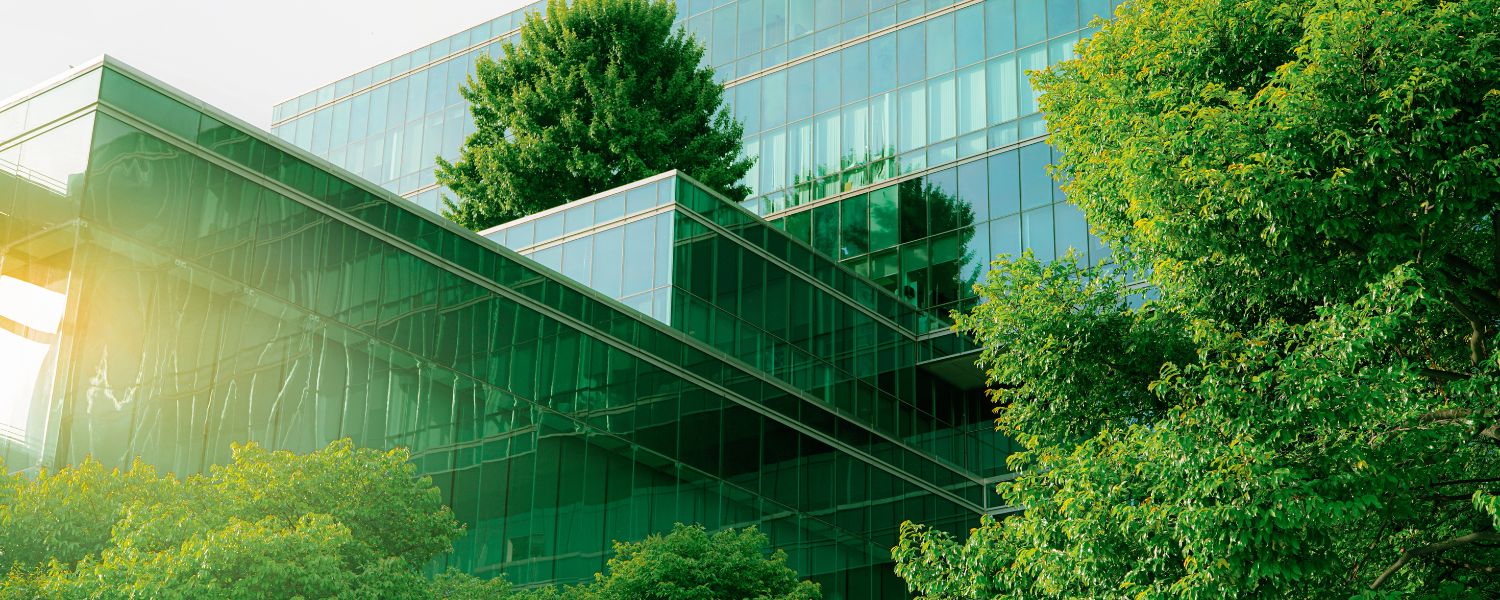
Sustainability is no longer just an industry trend—it’s a necessity. With increasing environmental concerns and stricter government regulations, developers must shift toward energy-efficient, eco-friendly, and cost-effective construction methods. Sustainable construction not only benefits the environment but also enhances long-term property value and operational efficiency.
Key Benefits of Sustainable Construction
- Energy Efficiency & Cost Savings
Green buildings use solar panels, smart insulation, and LED lighting to reduce energy consumption, lowering utility bills over time. Energy-efficient designs also make buildings more appealing to investors and tenants. - Eco-Friendly Materials & Waste Reduction
Using recycled steel, bamboo flooring, and low-VOC paints minimizes environmental impact while maintaining durability and aesthetics. Sustainable construction also focuses on waste reduction strategies, such as modular construction and prefabricated materials. - Enhanced Indoor Air Quality & Health Benefits
Sustainable buildings incorporate advanced ventilation systems and non-toxic materials to improve indoor air quality. This creates healthier living and working spaces, reducing health risks associated with poor air circulation and chemical exposure. - Higher Market Demand & Compliance with Green Regulations
With global sustainability initiatives gaining traction, governments are incentivizing green building certifications like LEED and BREEAM. Buildings that meet these standards attract environmentally conscious buyers, tenants, and investors, making them more competitive in the real estate market.
By integrating sustainable materials, energy-efficient technologies, and eco-conscious construction techniques, developers can future-proof their projects while reducing carbon footprints and enhancing cost-efficiency. The future of construction is green, and the industry is rapidly adapting to this new standard.