SDMC

Adaptive Reuse: Giving Old Buildings New Life Through Smart Structural Design
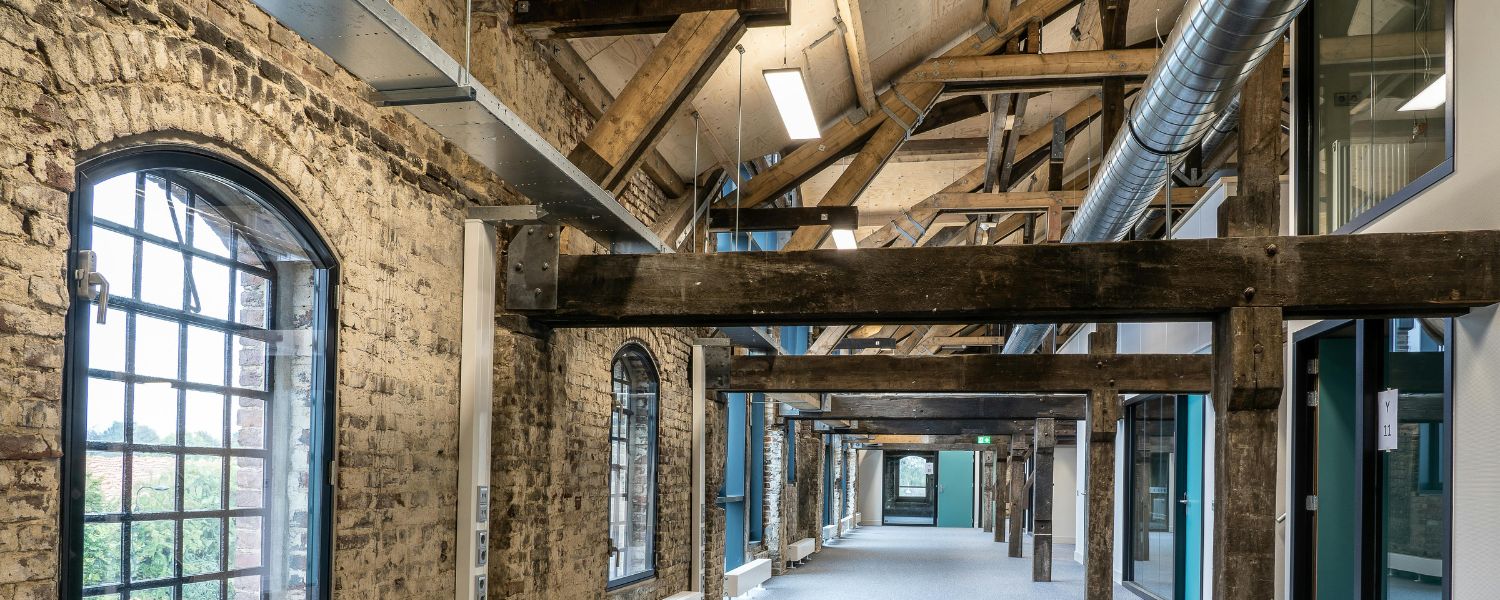
Historic buildings have charm, character, and stories to tell—but transforming them for modern use takes more than just imagination. Adaptive reuse is the process of repurposing old spaces for new functions, and it hinges on smart, strategic structural design. In cities across the UK, abandoned warehouses are becoming trendy flats, historic churches are turning into creative workspaces, and derelict factories are reborn as boutique hotels. But behind every successful transformation is a team of engineers reimagining the structure from the ground up. The Role of Structural Engineering in Adaptive Reuse Old buildings weren’t built with today’s needs in mind. They often feature outdated materials and designs that don’t align with modern safety standards or usage demands Structural engineers begin each adaptive reuse project by assessing: * Load paths and how forces travel through the building * Structural weaknesses due to aging or design limitations * Material integrity, especially with brick, timber, or early concrete From this, engineers create a tailored design to strengthen and modernize the building—without erasing its historic identity. Key Structural Strategies in Adaptive ReuseTo make these transformations possible, engineers use a variety of structural interventions: 1. Load RedistributionMany older buildings were built for lighter or different loads, like storage or light industry. To accommodate new uses—such as residential or commercial spaces—engineers redistribute loads by installing new beams, transfer girders, or post-tensioned slabs. 2. Strengthening FoundationsOld foundations may not be capable of supporting additional weight. Solutions like micro-piling, underpinning, or adding concrete jackets help strengthen foundations without dismantling the entire structure. 3. Material UpgradesAdvanced materials offer strong yet lightweight reinforcement. Engineers might use carbon fiber-reinforced polymer (CFRP) wraps around beams and columns or install steel bracing and reinforced concrete jackets to improve overall structural integrity. 4. Introducing New Structural FramesWhen walls are removed to create open layouts, engineers install steel portal frames or composite framing systems to carry loads from upper floors or roofs, while maintaining design flexibility. 5. Seismic and Wind Resistance RetrofitsIn areas prone to natural forces, engineers add shear walls, moment frames, or base isolators to ensure the building meets current safety codes and is resilient to environmental stress. Sustainable Design Through Structural IngenuityAdaptive reuse isn’t just a practical solution—it’s a sustainable one. Instead of demolishing and starting from scratch, reusing existing structures: * Reduces construction waste * Preserves embodied carbon * Extends the building’s life cycle Structural engineers often conduct life-cycle assessments (LCAs) to compare the environmental impacts of reuse vs. new construction, highlighting how much carbon and material waste is saved. Celebrating UK Cities Leading the WayCities like London, Manchester, and Birmingham are embracing adaptive reuse to balance heritage with innovation. Engineers work alongside architects and conservationists to retain iconic elements—arched windows, timber trusses, exposed brickwork—while updating the bones of the building for modern performance and safety. Building the Future from the PastAdaptive reuse is more than a design trend—it’s a smart, sustainable approach to urban development. With intelligent structural solutions, old buildings can meet new needs while preserving their unique stories. From material innovation to foundation strengthening, engineers are playing a vital role in shaping a built environment that respects the past while preparing for the future.

Chesham Gym and Swim – A Fresh New Look for the Community

Chesham Gym and Swim – A Fresh New Look for the Community Project Overview description Chesham Moor Gym and Swim has always been a place where the local community comes together to stay active and healthy. To give the facility a well-deserved refresh, SDMC worked alongside Chesham Town Council to improve both the structure and interior of the building. The refurbishment included essential upgrades to make the space stronger, safer, and more modern, along with a fresh new look inside to create a more welcoming and enjoyable environment. These improvements ensure that Chesham Gym and Swim continues to be a great place for fitness, relaxation, and socializing for years to come. From reinforcing the building’s structure to redesigning the interior for better functionality and comfort, every change was made with the community in mind. The transformation reflects Chesham’s commitment to providing high-quality fitness facilities that inspire people to lead healthier, more active lives. GAllery Overview Project Gallery Contact Let’s talk about your project Send Email

Sustainable Construction: Why It’s the Future of Development

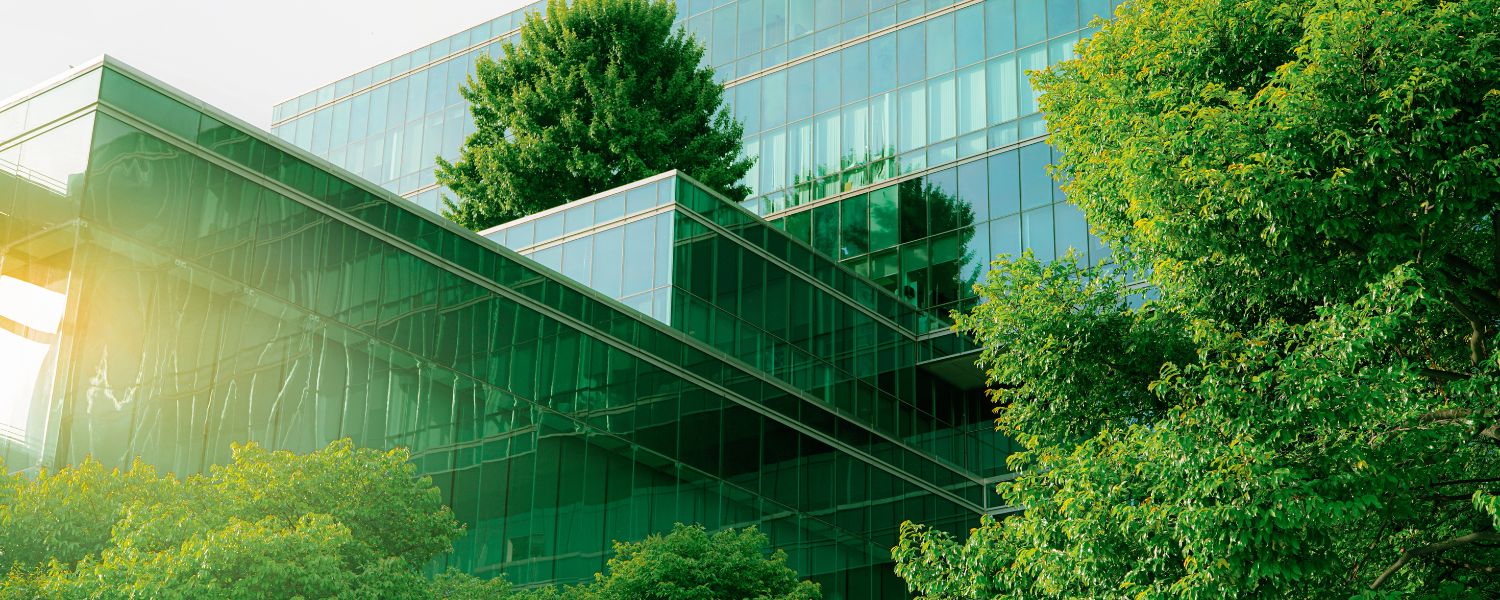
Sustainability is no longer just an industry trend—it’s a necessity. With increasing environmental concerns and stricter government regulations, developers must shift toward energy-efficient, eco-friendly, and cost-effective construction methods. Sustainable construction not only benefits the environment but also enhances long-term property value and operational efficiency. Key Benefits of Sustainable Construction Energy Efficiency & Cost SavingsGreen buildings use solar panels, smart insulation, and LED lighting to reduce energy consumption, lowering utility bills over time. Energy-efficient designs also make buildings more appealing to investors and tenants. Eco-Friendly Materials & Waste ReductionUsing recycled steel, bamboo flooring, and low-VOC paints minimizes environmental impact while maintaining durability and aesthetics. Sustainable construction also focuses on waste reduction strategies, such as modular construction and prefabricated materials. Enhanced Indoor Air Quality & Health BenefitsSustainable buildings incorporate advanced ventilation systems and non-toxic materials to improve indoor air quality. This creates healthier living and working spaces, reducing health risks associated with poor air circulation and chemical exposure. Higher Market Demand & Compliance with Green RegulationsWith global sustainability initiatives gaining traction, governments are incentivizing green building certifications like LEED and BREEAM. Buildings that meet these standards attract environmentally conscious buyers, tenants, and investors, making them more competitive in the real estate market. By integrating sustainable materials, energy-efficient technologies, and eco-conscious construction techniques, developers can future-proof their projects while reducing carbon footprints and enhancing cost-efficiency. The future of construction is green, and the industry is rapidly adapting to this new standard.

The Future of Construction: Why Smart Project Management Matters

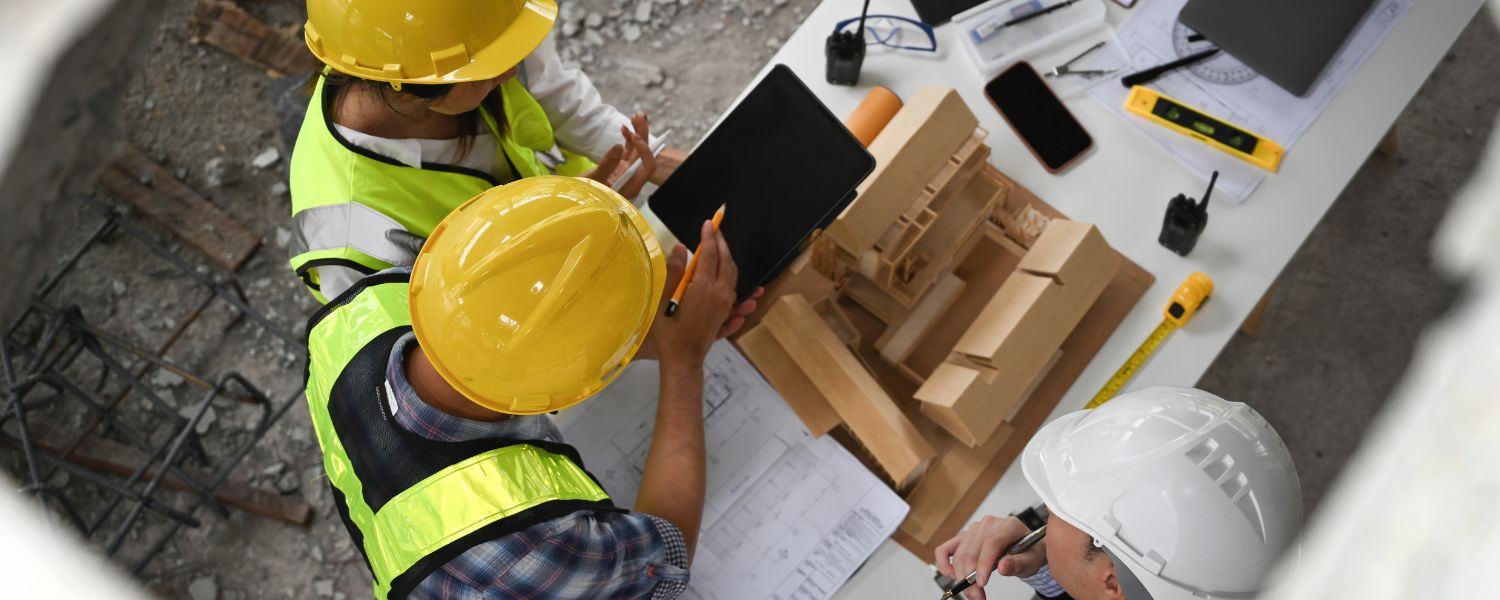
The construction industry is evolving at an unprecedented pace. With increasing demand for infrastructure, rising material costs, and stricter regulations, managing projects effectively is more crucial than ever. Poor planning and inefficient execution can lead to project delays, cost overruns, and even legal complications. This is where smart project management becomes a game-changer. Why Smart Project Management is Essential Cost Control & Budget ManagementConstruction projects involve numerous variables—materials, labor, permits, and unexpected expenses. A well-structured project management strategy ensures that every penny is accounted for, reducing financial waste and preventing budget overruns.   Timely Completion & Scheduling EfficiencyEvery project runs on deadlines. Delays not only increase costs but also affect client satisfaction and business reputation. A robust project management framework includes detailed timelines, contingency plans, and real-time progress tracking to ensure timely completion. Risk Mitigation & Quality ControlFrom weather conditions to supply chain disruptions, construction projects face numerous risks. A proactive approach to risk assessment allows teams to anticipate problems before they occur, ensuring smooth execution and high-quality outcomes. Incorporating technology, AI-driven analytics, and efficient workflow strategies into project management ensures that construction projects meet quality standards while staying on schedule and within budget. The industry’s future belongs to those who embrace smart planning, modern tools, and strategic execution.Construction projects are complex, involving multiple stakeholders, detailed planning, and unexpected challenges. A single oversight can lead to delays, legal disputes, and financial losses. Developers and contractors must anticipate common mistakes and implement proactive solutions to ensure success. Top Construction Pitfalls to Avoid Lack of Detailed Planning & Scope CreepWithout a clear roadmap, projects face constant revisions, extended deadlines, and increased costs. Establishing a well-defined project scope from the beginning prevents unnecessary changes and keeps everything on track. Budget Mismanagement & Hidden CostsMany projects underestimate costs, leading to budget shortfalls. Factors like rising material prices, labor shortages, and unforeseen site issues must be accounted for during the initial budgeting phase.   Ignoring Regulatory Compliance & Safety StandardsFailure to adhere to local building codes, environmental laws, and worker safety regulations can result in heavy fines and project shutdowns. Staying updated with legal requirements ensures smooth approval processes.   Poor Communication & CoordinationMisalignment between developers, architects, engineers, and contractors creates costly errors. Implementing centralized project management tools and regular progress updates enhances coordination and reduces misunderstandings. To achieve a successful, cost-effective, and high-quality project, developers and construction firms must focus on meticulous planning, strong financial management, and clear communication channels. Addressing these pitfalls proactively ensures that projects run efficiently, meet deadlines, and stay within budget.

1 Raynton Road, Enfield – A Modern Residential Transformation

1 Raynton Road, Enfield – A Modern Residential Transformation Project Overview description Address: 1 Raynton Rd, Enfield EN3 6BP Once a two-storey detached family home, 1 Raynton Road has been completely transformed into a modern four-storey residential building featuring seven spacious 3 and 4-bedroom flats. Designed to meet the growing demand for high-quality housing in Enfield, this project delivers contemporary, comfortable living spaces while maximizing the site’s potential. SDMC Consultants played a crucial role in this development, providing structural design services to ensure safety, efficiency, and durability. Successfully completed in 2022, this project stands as a testament to smart urban development, offering spacious homes in a well-connected and thriving neighborhood. GAllery Overview Project Gallery Contact Let’s talk about your project Send Email

228 Regent Street, London – Smart Urban Revitalization

228 Regent Street, London – Smart Urban Revitalization Project Overview description  Address: 228B Regents Park Road, London N3 3HP Located in the vibrant Finchley neighborhood, just a 9-minute walk from Finchley Central Station, this project at 228 Regent Street brings a fresh new purpose to a mixed-use building. The transformation involved converting part of the upper and lower ground floors into a self-contained residential flat, adding much-needed living space in a busy commercial district. With a commercial store still operating within the building, this development strikes the perfect balance between residential comfort and urban convenience. SDMC Consultants played a key role in delivering architectural and structural design, ensuring a seamless and efficient conversion that meets modern living standards. This project not only enhances housing opportunities in a prime London location but also contributes to the revitalization of the local area, making it a valuable addition to the community. GAllery Overview Project Gallery Contact Let’s talk about your project Send Email

Broad House – A Modern Transformation in Wokingham

Broad House – A Modern Transformation in Wokingham Project Overview description Address: 5 Broad St, Wokingham RG40 1AX Located in the heart of Wokingham, a historic market town in Berkshire, Broad House has undergone an exciting transformation. The existing commercial property, previously home to a bank on the ground floor, has been reimagined with the addition of a new storey extension, enhancing both its functionality and aesthetic appeal. SDMC Consultants led the way in structural design and SAP assessments, ensuring the extension met the highest standards of safety, energy efficiency, and sustainability. This project reflects a modern approach to urban development, preserving the town’s heritage while adapting the space to meet contemporary needs. Now successfully completed, Broad House stands as a prime example of innovation within a historic setting. GAllery Overview Project Gallery Contact Let’s talk about your project Send Email

1A Oxford Street, Caversham – Modern Living in a Charming Neighborhood

1A Oxford Street, Caversham – Modern Living in a Charming Neighborhood Project Overview description Address: 1A Oxford St, Caversham, Reading RG4 8HN Nestled in the heart of Caversham, Reading, this beautifully designed new-build semi-detached home offers the perfect blend of modern luxury and suburban charm. The two-storey property features three spacious bedrooms, a generous open-plan kitchen and living area, and a private garden, making it ideal for comfortable family living. Designed to seamlessly complement the surrounding architecture, this home maintains the character of the neighborhood while incorporating contemporary design elements. SDMC Consultants played a key role in this project, handling architectural drawings, building regulation compliance, and SAP Assessments to ensure the highest standards of quality and efficiency. This development is a prime example of thoughtful urban planning, offering a stylish and energy-efficient home in one of Reading’s most sought-after locations. GAllery Overview Project Gallery Contact Let’s talk about your project Send Email

Stuart Lodge, High Wycombe

Lorem Ipsum is simply dummy text of the printing and typesetting industry. Lorem Ipsum has been the industry’s standard dummy text ever since the 1500s, when an unknown printer took a galley of type and scrambled it to make a type specimen book. It has survived not only five centuries, but also the leap into electronic typesetting, remaining essentially unchanged. It was popularised in the 1960s with the release of Letraset sheets containing Lorem Ipsum passages, and more recently with desktop publishing software like Aldus PageMaker including versions of Lorem Ipsum.

Avoiding Common Pitfalls in Construction Projects

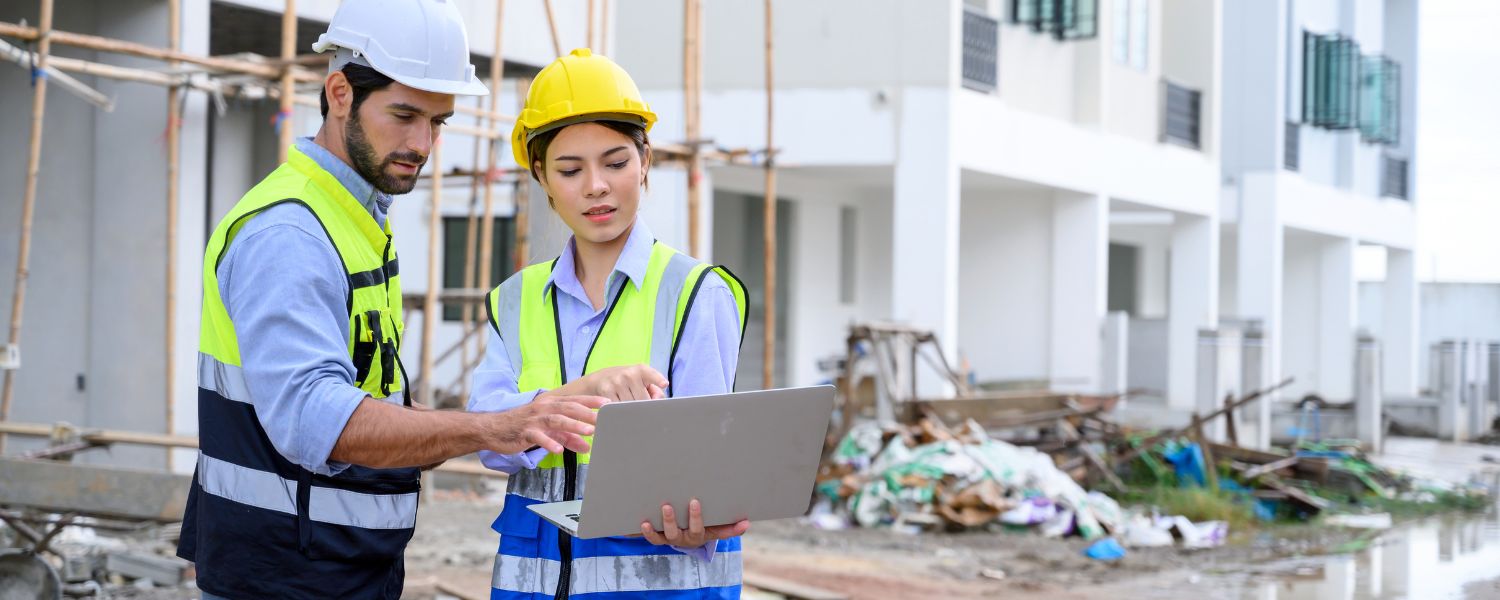
Construction projects are complex, involving multiple stakeholders, detailed planning, and unexpected challenges. A single oversight can lead to delays, legal disputes, and financial losses. Developers and contractors must anticipate common mistakes and implement proactive solutions to ensure success. Top Construction Pitfalls to Avoid Lack of Detailed Planning & Scope CreepWithout a clear roadmap, projects face constant revisions, extended deadlines, and increased costs. Establishing a well-defined project scope from the beginning prevents unnecessary changes and keeps everything on track.   Budget Mismanagement & Hidden CostsMany projects underestimate costs, leading to budget shortfalls. Factors like rising material prices, labor shortages, and unforeseen site issues must be accounted for during the initial budgeting phase.   Ignoring Regulatory Compliance & Safety StandardsFailure to adhere to local building codes, environmental laws, and worker safety regulations can result in heavy fines and project shutdowns. Staying updated with legal requirements ensures smooth approval processes.   Poor Communication & CoordinationMisalignment between developers, architects, engineers, and contractors creates costly errors. Implementing centralized project management tools and regular progress updates enhances coordination and reduces misunderstandings. To achieve a successful, cost-effective, and high-quality project, developers and construction firms must focus on meticulous planning, strong financial management, and clear communication channels. Addressing these pitfalls proactively ensures that projects run efficiently, meet deadlines, and stay within budget.