
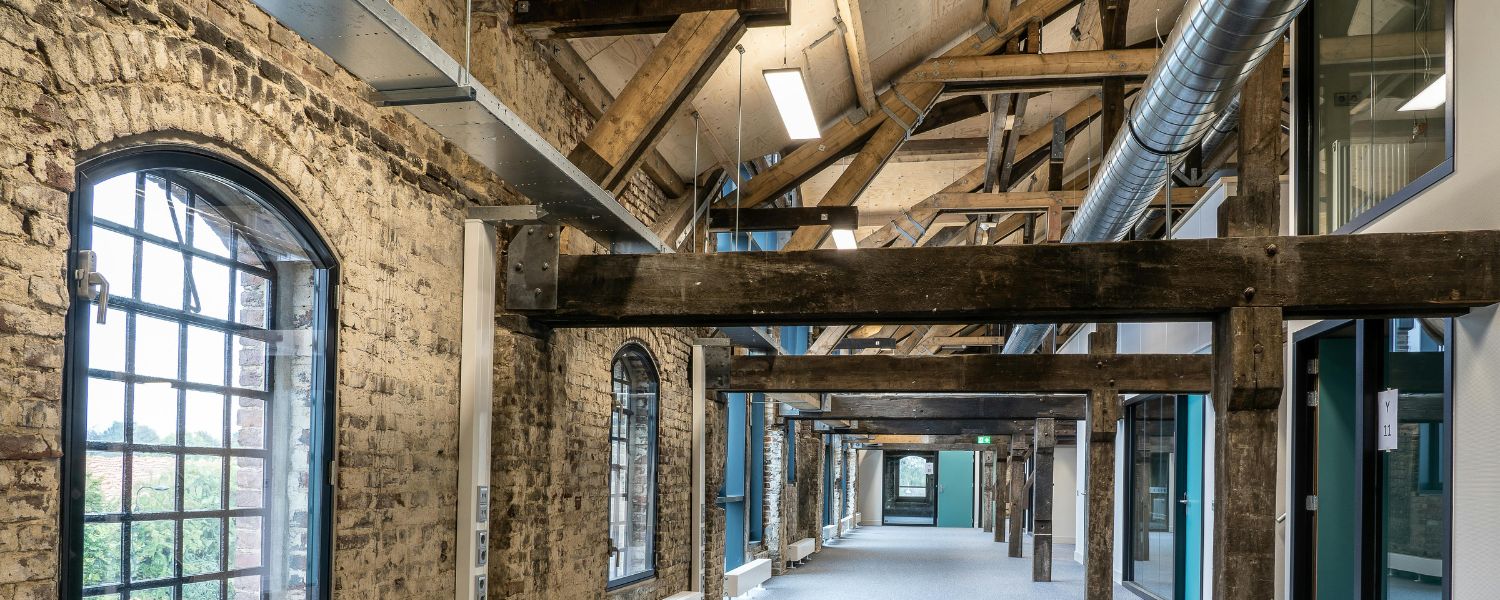
Historic buildings have charm, character, and stories to tell—but transforming them for modern use takes more than just imagination. Adaptive reuse is the process of repurposing old spaces for new functions, and it hinges on smart, strategic structural design. In cities across the UK, abandoned warehouses are becoming trendy flats, historic churches are turning into creative workspaces, and derelict factories are reborn as boutique hotels. But behind every successful transformation is a team of engineers reimagining the structure from the ground up.
The Role of Structural Engineering in Adaptive Reuse
Old buildings weren’t built with today’s needs in mind. They often feature outdated materials and designs that don’t align with modern safety standards or usage demands
Structural engineers begin each adaptive reuse project by assessing:
* Load paths and how forces travel through the building
* Structural weaknesses due to aging or design limitations
* Material integrity, especially with brick, timber, or early concrete
From this, engineers create a tailored design to strengthen and modernize the building—without erasing its historic identity.
Key Structural Strategies in Adaptive Reuse
To make these transformations possible, engineers use a variety of structural interventions:
1. Load Redistribution
Many older buildings were built for lighter or different loads, like storage or light industry. To accommodate new uses—such as residential or commercial spaces—engineers redistribute loads by installing new beams, transfer girders, or post-tensioned slabs.
2. Strengthening Foundations
Old foundations may not be capable of supporting additional weight. Solutions like micro-piling, underpinning, or adding concrete jackets help strengthen foundations without dismantling the entire structure.
3. Material Upgrades
Advanced materials offer strong yet lightweight reinforcement. Engineers might use carbon fiber-reinforced polymer (CFRP) wraps around beams and columns or install steel bracing and reinforced concrete jackets to improve overall structural integrity.
4. Introducing New Structural Frames
When walls are removed to create open layouts, engineers install steel portal frames or composite framing systems to carry loads from upper floors or roofs, while maintaining design flexibility.
5. Seismic and Wind Resistance Retrofits
In areas prone to natural forces, engineers add shear walls, moment frames, or base isolators to ensure the building meets current safety codes and is resilient to environmental stress.
Sustainable Design Through Structural Ingenuity
Adaptive reuse isn’t just a practical solution—it’s a sustainable one. Instead of demolishing and starting from scratch, reusing existing structures:
* Reduces construction waste
* Preserves embodied carbon
* Extends the building’s life cycle
Structural engineers often conduct life-cycle assessments (LCAs) to compare the environmental impacts of reuse vs. new construction, highlighting how much carbon and material waste is saved.
Celebrating UK Cities Leading the Way
Cities like London, Manchester, and Birmingham are embracing adaptive reuse to balance heritage with innovation. Engineers work alongside architects and conservationists to retain iconic elements—arched windows, timber trusses, exposed brickwork—while updating the bones of the building for modern performance and safety.
Building the Future from the Past
Adaptive reuse is more than a design trend—it’s a smart, sustainable approach to urban development. With intelligent structural solutions, old buildings can meet new needs while preserving their unique stories. From material innovation to foundation strengthening, engineers are playing a vital role in shaping a built environment that respects the past while preparing for the future.