
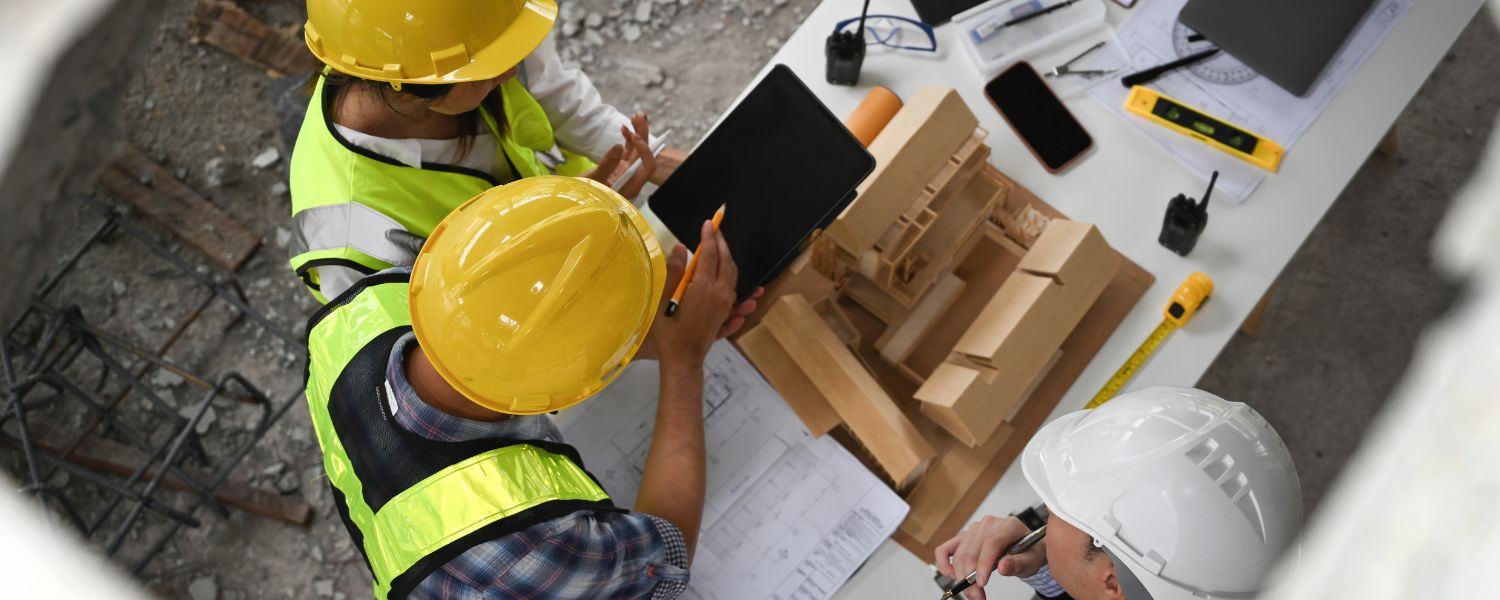
The construction industry is evolving at an unprecedented pace. With increasing demand for infrastructure, rising material costs, and stricter regulations, managing projects effectively is more crucial than ever. Poor planning and inefficient execution can lead to project delays, cost overruns, and even legal complications. This is where smart project management becomes a game-changer.
Why Smart Project Management is Essential
- Cost Control & Budget Management
Construction projects involve numerous variables—materials, labor, permits, and unexpected expenses. A well-structured project management strategy ensures that every penny is accounted for, reducing financial waste and preventing budget overruns. - Timely Completion & Scheduling Efficiency
Every project runs on deadlines. Delays not only increase costs but also affect client satisfaction and business reputation. A robust project management framework includes detailed timelines, contingency plans, and real-time progress tracking to ensure timely completion. - Risk Mitigation & Quality Control
From weather conditions to supply chain disruptions, construction projects face numerous risks. A proactive approach to risk assessment allows teams to anticipate problems before they occur, ensuring smooth execution and high-quality outcomes.
Incorporating technology, AI-driven analytics, and efficient workflow strategies into project management ensures that construction projects meet quality standards while staying on schedule and within budget. The industry’s future belongs to those who embrace smart planning, modern tools, and strategic execution.Construction projects are complex, involving multiple stakeholders, detailed planning, and unexpected challenges. A single oversight can lead to delays, legal disputes, and financial losses. Developers and contractors must anticipate common mistakes and implement proactive solutions to ensure success.
Top Construction Pitfalls to Avoid
- Lack of Detailed Planning & Scope Creep
Without a clear roadmap, projects face constant revisions, extended deadlines, and increased costs. Establishing a well-defined project scope from the beginning prevents unnecessary changes and keeps everything on track. - Budget Mismanagement & Hidden Costs
Many projects underestimate costs, leading to budget shortfalls. Factors like rising material prices, labor shortages, and unforeseen site issues must be accounted for during the initial budgeting phase. - Ignoring Regulatory Compliance & Safety Standards
Failure to adhere to local building codes, environmental laws, and worker safety regulations can result in heavy fines and project shutdowns. Staying updated with legal requirements ensures smooth approval processes. - Poor Communication & Coordination
Misalignment between developers, architects, engineers, and contractors creates costly errors. Implementing centralized project management tools and regular progress updates enhances coordination and reduces misunderstandings.
To achieve a successful, cost-effective, and high-quality project, developers and construction firms must focus on meticulous planning, strong financial management, and clear communication channels. Addressing these pitfalls proactively ensures that projects run efficiently, meet deadlines, and stay within budget.